Freedom and
Security
Women Summit

9 November 2026German Bundestag · Berlin

Women in authoritarian states face repression and persecution. At the same time, they are powerful voices and key actors in the democratic resistance.

Register to participate here
SED Victims’ Commissioner, My Stealthy Freedom, Frauen für Freiheit and Axel Springer Freedom Foundation

Freedom
is our cause.

Women in authoritarian states face a double threat: state repression and gender-based persecution.

At the same time, they are key actors in the democratic resistance—in Iran, Afghanistan, Belarus, Venezuela, Cuba, Tibet, Ukraine and beyond. The Freedom and Security Women Summit brings their voices to the German Bundestag and connects them with German decision-makers and international experts. Together, they will develop concrete policy recommendations.

A Summit Focused
on Impact

From policy recommendations to public dialogue: together, we make voices heard and develop responses.

PART I12:30 pm — 4:10 pm

Expert conference

Policy proposals for German and European decision-makers.

01Women under dictatorshipsUnderstanding repression, taking political action+

First-hand accounts meet analytical perspectives on gender-specific repression: political imprisonment, targeted suppression and sexual violence as instruments of state power. Together, we will discuss the implications for German foreign policy and development cooperation.

With survivors, human rights experts and members of parliament
02Resistance Networks, Exile and Political DemandsDigital activism and military intervention+

From digital activism to military intervention, opposition figures in exile from Afghanistan, Ukraine and experts will share insights into their work. Together, we will develop demands on geopolitics as well as the protection and empowerment of women in resistance.

With opposition figures in exile, NGO representatives and members of parliament
03Women’s rights as a security factorRelevance for German and European policy+

Women’s rights are an important indicator of democratic stability. We investigate how restrictions can serve as an early warning signal for authoritarian change and what impact previous policy approaches have had. We will also develop policy options for foreign policy at national and EU level.

With security experts, EU policymakers and researchers of authoritarianism
PART II4:10 — 4:30 pm

Award for Courage 2026

Axel Springer Freedom Foundation honors Dr. Rahile Dawut

The Award for Courage honors individuals who have made outstanding contributions to democracy and freedom in their home countries, often at great personal risk. Our distinguished advisory board is responsible for selecting the recipients. The award continues the tradition of Axel Springer, for whom an unwavering commitment to freedom and to all those who defend it has always been a core concern and guiding principle of his actions. Thanks to our partners at the Postcode Lotterie, the award is endowed with 50,000 euros.

PART III5:15 — 7:00 pm

Closing Panel

“Women in the Struggle for Democracy—Courageous and Vulnerable at the Same Time”

Welcome: by Evelyn Zupke, Federal Commissioner for the Reappraisal of the SED Dictatorship
Joint German-French address: by Julia Klöckner, President of the German Bundestag, and Yaël Braun-Pivet, President of the Assemblée Nationale
Panel discussion: High school students discuss with Sviatlana Tsikhanouskaya (Belarus), Masih Alinejad (Iran), Julia Klöckner, President of the German Bundestag, and Yaël Braun-Pivet, President of the Assemblée Nationale.

Speakers

More speakers will be announced soon.

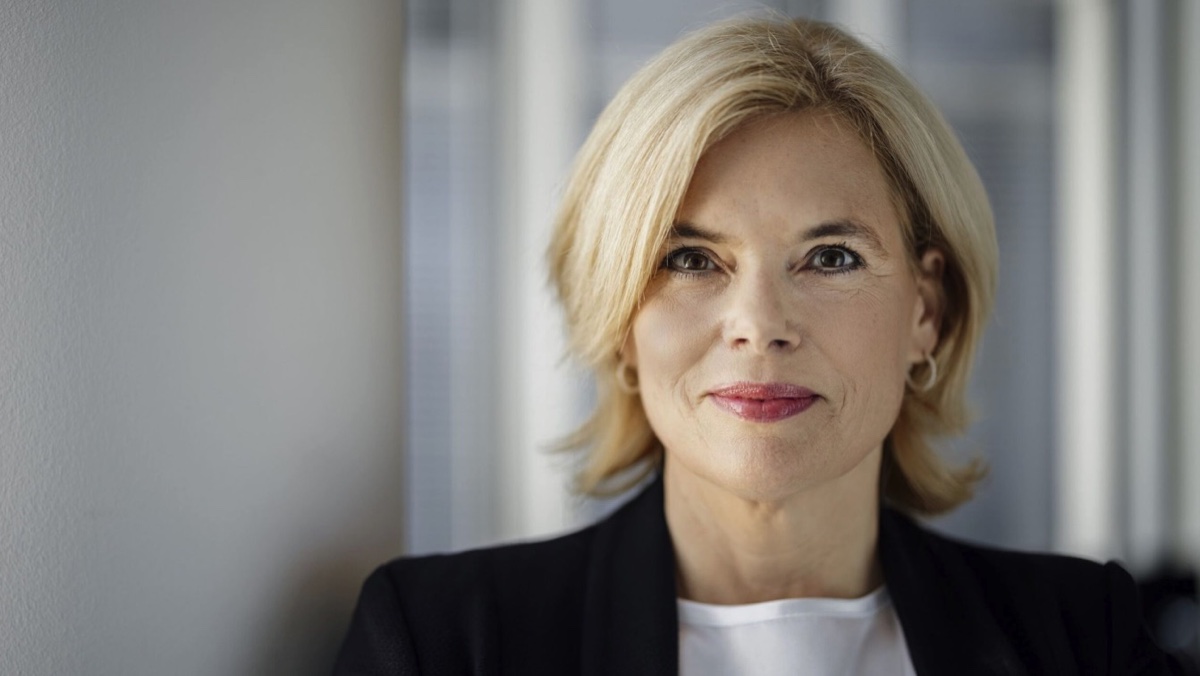
Julia KlöcknerFotocredit: Tobias Koch
President of the German Bundestag

Julia Klöckner

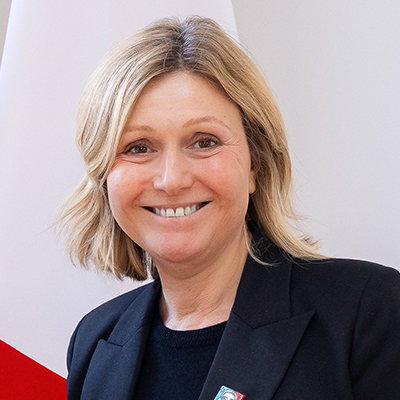
Yaël Braun-Pivet
President of the Assemblée Nationale

Yaël Braun-Pivet

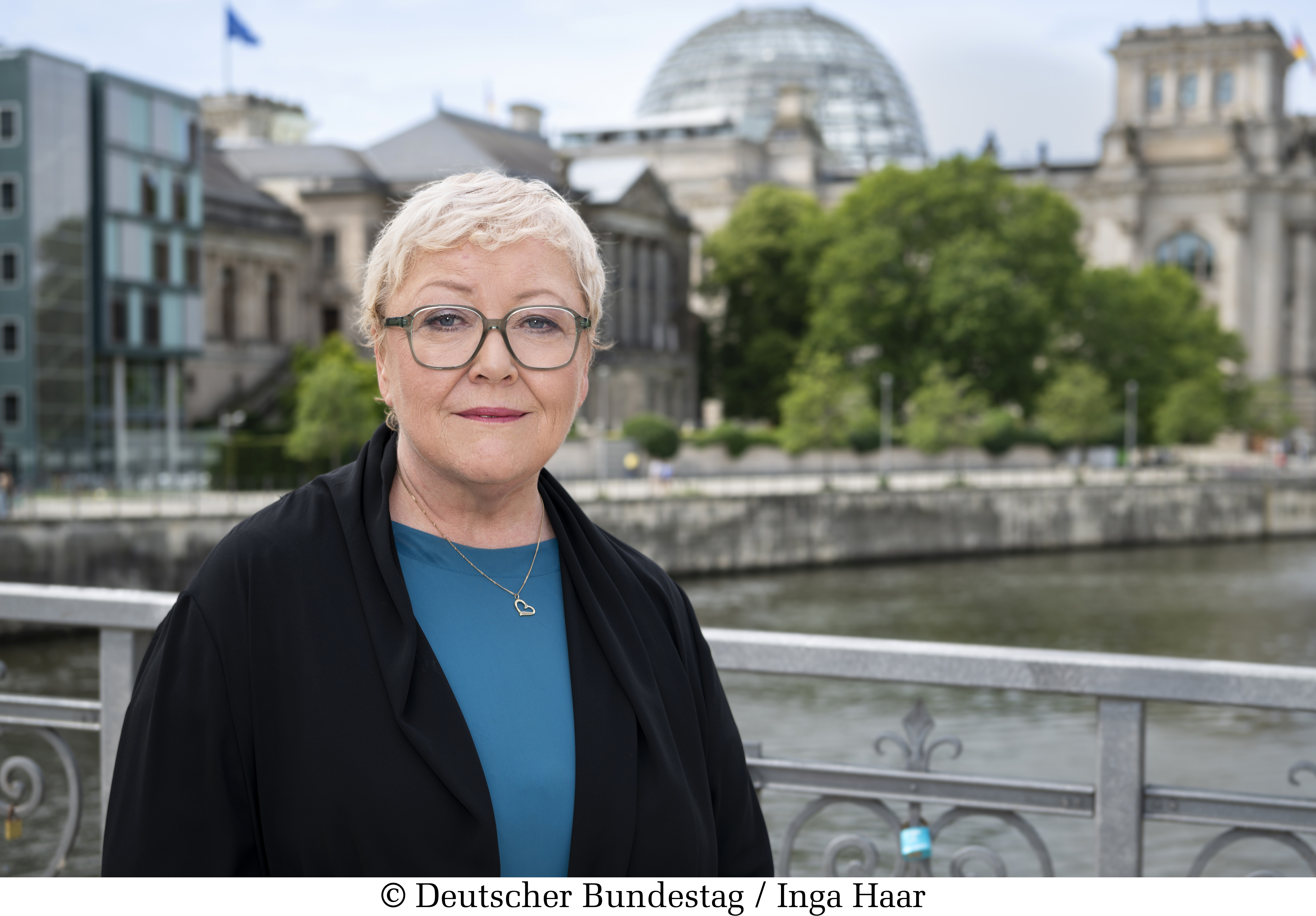
Evelyn ZupkeFotocredit: © Deutscher Bundestag / Inga Haar
Speaker

Evelyn Zupke

Born on 28 February 1962 in Binz on the island of Rügen, Evelyn Zupke is a trained special-needs educator and specialist adviser in psychotraumatology. Since 17 June 2021, she has served as the Federal Commissioner for the Reappraisal of the SED Dictatorship at the German Bundestag. During her transition to the Extended Secondary School, she developed an increasingly critical stance toward the regime and could no longer accept the gap between propaganda and reality she experienced in the GDR. At school, she criticized the unequal treatment of her classmates and left the Free German Youth (FDJ) at 18. She was eventually told that, because of her unwelcome nonconformity, there was no point in applying to university. In her working life, Zupke continued to dissent in small ways and turned to church work from 1984. After moving to East Berlin, she came into contact in 1987 with the Weißensee Peace Circle, an opposition group in the GDR that decisively shaped her subsequent activism. Together with Mario Schatta and Frank Pfeifer, she played a leading role in organizing and documenting electoral fraud in the GDR local elections on 7 May 1989. With the Environmental Library, she printed leaflets and called for monthly public protests (“Never Enough of Election Fraud”) following the manipulated election, including at Berlin’s Alexanderplatz. These demonstrations prompted brutal reprisals by the Stasi. Zupke was regularly interrogated by the Ministry for State Security before demonstrations. In 1989 and 1990, the civil rights activist worked at the Round Table and helped organize the vigil at the Gethsemane Church.

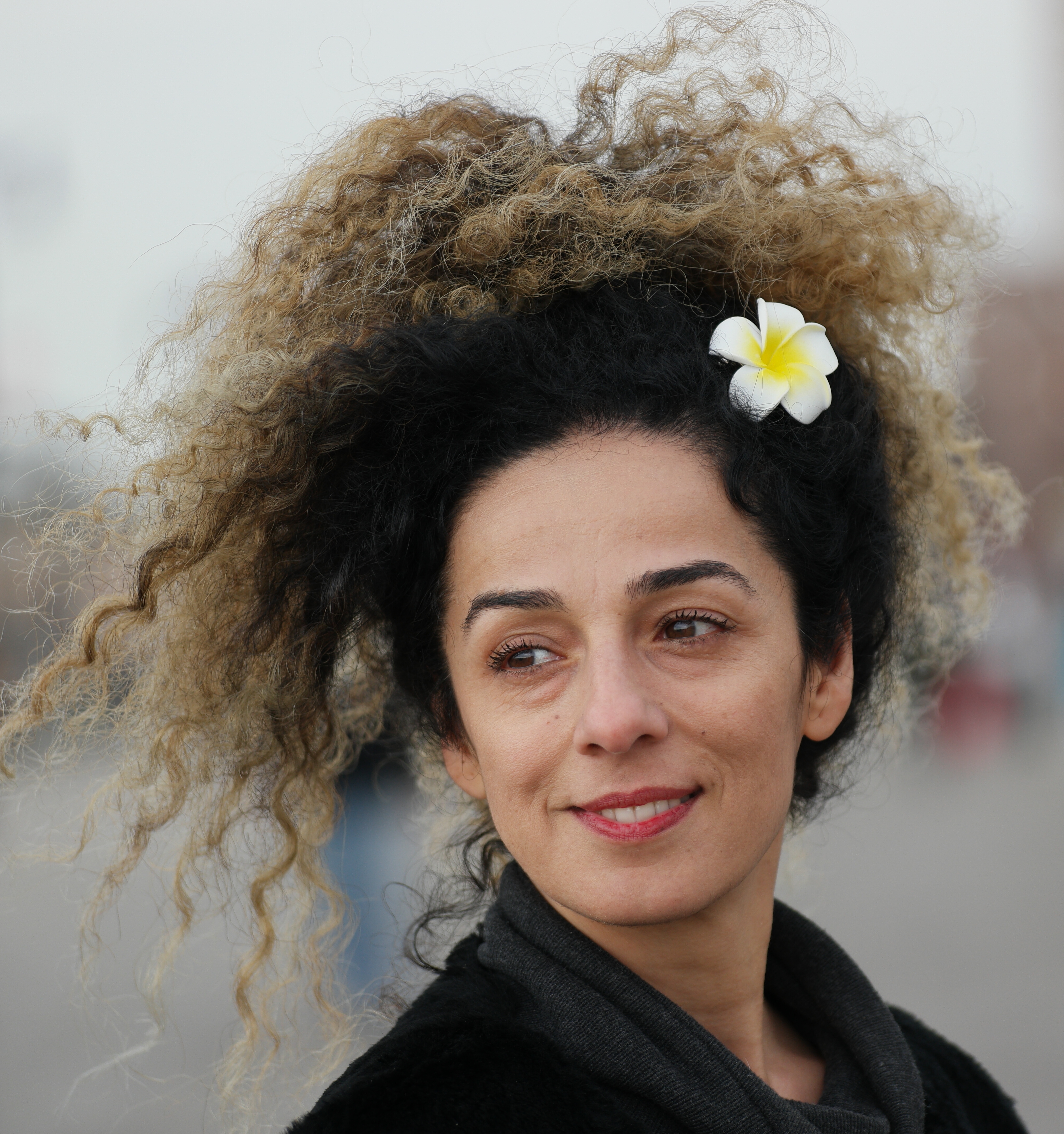
Masih Alinejad
Speaker

Masih Alinejad

Masih Alinejad is an Iranian-American journalist and human rights activist, widely regarded as one of the most prominent voices for women’s rights and democratic freedom in Iran. She founded “My Stealthy Freedom,” a campaign against compulsory hijab that grew into the largest civil disobedience movement in the history of the Islamic Republic. She also founded the World Liberty Congress, “United Against Gender Apartheid” and “United for Navid,” an international sports campaign mobilizing athletes worldwide against the Iranian government’s execution of Navid Afkari.

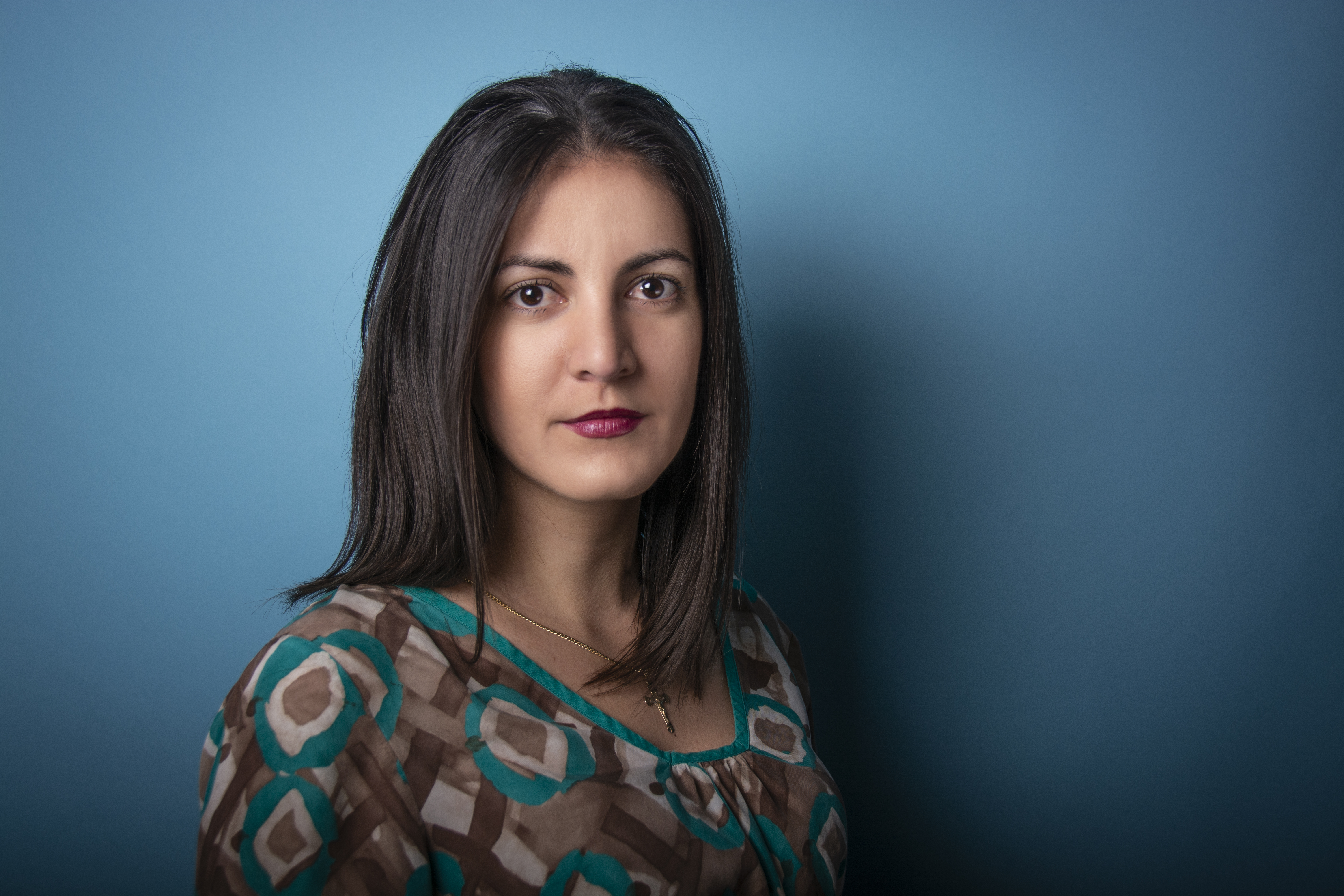
Rosa María Payá Acevedo
Speaker

Rosa María Payá Acevedo

Rosa María Payá Acevedo is the founder and director of the “Cuba Decide” movement, a civic initiative for systemic change in Cuba. She is executive director of the Foundation for Pan-American Democracy, a human rights activist and an expert on Latin American politics. Through the “Freedom Accord,” she built unprecedented cooperation among democratic forces in Cuba and across the hemisphere. Under her leadership, the Latin American Youth Network for Democracy—which she serves as honorary president—brought together more than 100 organizations from 20 countries. She founded the Transatlantic Parliamentary Forum, forging legislative alliances to advance human rights on the global stage. Her work has shaped initiatives with the OAS and advanced action before the US Congress and executive branch, the United Nations and the European Parliament. OAS member states elected her to serve as a commissioner on the Inter-American Commission on Human Rights for the 2026–2029 term, the only hemispheric body mandated to promote and protect human rights in the Americas. She holds a bachelor’s degree in physics from the University of Havana and a master’s degree in public administration, with a concentration in global leadership, from Columbia University. Her thought leadership has earned international recognition and has been featured in The Washington Post, The New York Times, Fox News, CNN and other major international media.

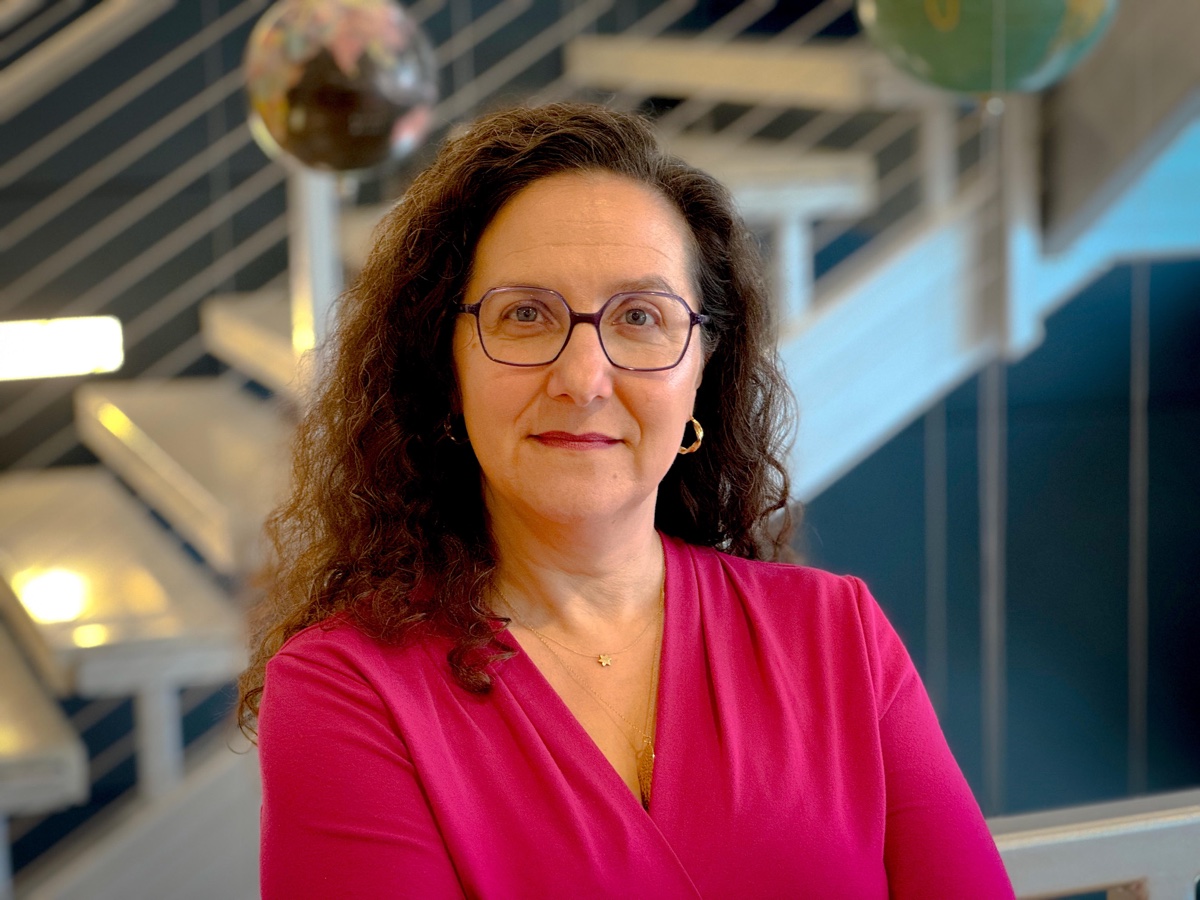
Tamara Cofman Wittes
Speaker

Tamara Cofman Wittes

In 2024, Tamara Cofman Wittes became the NDI’s fourth president. Before joining the institute, she served as director of foreign assistance at the U.S. Department of State. Previously, she led the department’s Office of Sanctions Coordination efforts related to sanctions on Russia.

Anna Veronika Wendland
Speaker

Anna Vero Wendland

Anna Veronika Wendland is a historian specializing in Eastern Europe and the history of technology, and an expert on security, technology and social change. After earning her doctorate in Cologne, she completed her habilitation in Marburg with a comparative history of nuclear safety, where she now teaches modern and contemporary history. Her research connects Ukrainian studies with science, technology and society studies. She is co-spokesperson for GenDem, a collaborative research project on the interconnections of anti-feminism in Europe and beyond.

Almut Ilsen
Speaker

Almut Ilsen

Born in Jena in 1950, she studied chemistry at Friedrich Schiller University Jena. From 1976 to 2016, she was a subject specialist for the natural sciences at the East Berlin State Library and the Prussian Cultural Heritage State Library. In 1983, she completed postgraduate studies in library science at Humboldt University of Berlin. In 1982, she co-founded the opposition group “Women for Peace”; in 1989, the East Berlin women’s centre EWA. Since 2000, she has also worked as a photographer. She has two children and three granddaughters.

Hannah Neumann
Speaker

Hannah Neumann

Authoritarian regimes know that women who organize, raise their voices and demand their rights challenge their claim to power. That is why repression so often targets their bodies, their voices and their place in public life. Defending women’s rights is not “soft” foreign policy. It is part of defending freedom, democracy and security. Europe’s response must therefore go beyond solidarity. Women’s rights must shape our thinking and action in foreign and security policy.

Rushan Abbas
Speaker

Rushan Abbas

Rushan Abbas is a leading international advocate for the rights of the Uyghur people and became a prominent voice exposing Beijing’s crimes against humanity and threats to global freedom and democracy following the unjust imprisonment of her sister, Dr. Gulshan Abbas, eight years ago in retaliation for Rushan’s advocacy in the United States. With over 30 years of experience defending human rights, she founded Campaign for Uyghurs (CFU) in 2017, transforming it into a leading global organization advancing accountability and justice for the Uyghur people. Under her leadership, Campaign for Uyghurs has launched influential international initiatives and has twice been nominated for the Nobel Peace Prize. Rushan is the recipient of the Women’s eNews 21 Leaders for the 21st Century Award (2026), the NED Democracy Award (2025), the Huntington Her Hero Lifetime Achievement Award (2024), and the Freedom Fighter Award (2019). She serves as Chair of the Executive Committee of the World Uyghur Congress and Chair of the Advisory Board of the Axel Springer Freedom Foundation and is the author of Unbroken: One Uyghur’s Fight for Freedom.

Danielle Haas
Speaker

Danielle Haas

Danielle Haas is Executive Director of EiGHT, an insider-led, Geneva-based nonprofit advancing independent scrutiny and accountability in the human rights and humanitarian sectors. She spent nearly 14 years as a senior editor at Human Rights Watch and eight years as a Jerusalem-based foreign correspondent, including for Reuters and the San Francisco Chronicle, reporting from Israel, the West Bank, Gaza, Jordan and Iraq. She taught at Columbia Journalism School and writes on institutional accountability and research integrity. She was educated at Oxford and Columbia universities.

Shukriya Bradost
Speaker

Shukriya Bradost

Shukriya Bradost is Affiliate Faculty at George Mason University’s Jimmy and Rosalynn Carter School for Peace and Conflict Resolution, a doctoral researcher in International Affairs at Virginia Tech, and an Associate Fellow at the Middle East Institute. She is a foreign policy and international security analyst specializing in Iran, non-state actors, modern warfare, and Middle East security. A lawyer and journalist by background, she brings more than two decades of professional experience in regional affairs. Her research focuses on securitization, political identity, and state–minority relations. She is a frequent commentator on international security and Middle Eastern affairs for international media.

Dr. Kateryna Rietz-Rakul
Speaker

Dr. Kateryna Rietz-Rakul

Dr. Kateryna Rietz-Rakul studied English and American Studies in Lviv and Berlin before earning a doctorate in contemporary literature. She has worked in Berlin as an interpreter, translator, author and cultural manager. She has written for numerous international art magazines and published several books, including a guide to Berlin’s cultural scene, Berlin Contemporary Art. As a cultural manager, she is a co-founder of KUL’TURA e.V., which promotes international collaboration between creatives from Ukraine and other countries.

Shila Behjat
Speaker

Shila Behjat

Shila Behjat is a journalist and lawyer of German-Iranian heritage. Her books discuss questions of justice and democracy. In 2025, she published “Women and Revolution” about women-led resistance movements. In 2024, she published “Raising Sons as a Feminist,” which explores the role of men in today’s discourse. She is a moderator and podcast host.

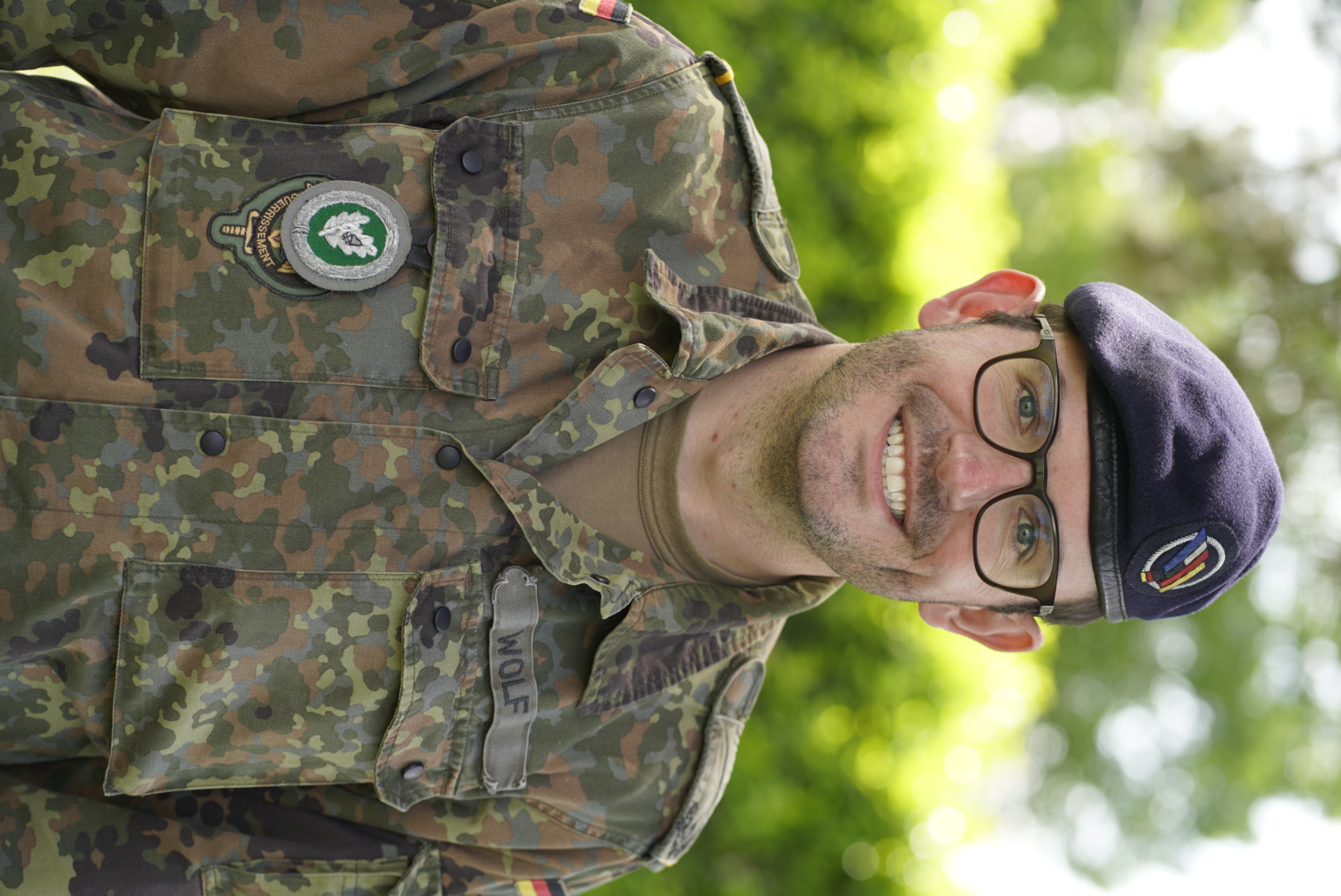
Major Philipp Wolf
Speaker

Major Philipp Wolf

Major Philipp Wolf is currently serving as the Company Commander of the 4./JgBtl 291 in Illkirch-Graffenstaden, France. He is a cavalry officer by trade who deployed and led troops in Germany, Mali and Lithuania in 2026, 2018 and 2016, respectively. He has served as a Platoon Leader, Military Intelligence Officer, Executive Officer, Aide-de-Camp and Chief of Staff in the US, Switzerland, France, Germany and Poland.

Join us.

On 9 November 2026, voices from around the world will come together at the German Bundestag to discuss freedom, security and political responsibility.

Register here ↗
09NOVEMBER2026